Bow removals guide for Bow Road flats with no lift
Posted on 03/07/2026
If you are moving out of a Bow Road flat with no lift, you already know the awkward bit is not the packing box pile or the last-minute label chaos. It is the stairs. The narrow turns, the tight landings, the neighbour who opens the door just as you are wrestling a wardrobe out. This Bow removals guide for Bow Road flats with no lift is written for that exact situation: a real-world, no-nonsense plan for moving safely, sensibly, and without turning moving day into a full-body complaint. You will find practical steps, common mistakes, and a few local realities that make all the difference.
Bow flats can be brilliant to live in, but they often come with older layouts, compact stairwells, limited kerbside space, and the sort of access issues that only show up once you start carrying furniture. Let's make it manageable. If you want support from a local team, you can also look at flat removals in Bow, browse the wider Bow removals service, or explore the full services overview before deciding what kind of help you actually need.
Expert summary: the best move from a no-lift Bow Road flat is usually the one that is planned around access, load order, and safe handling rather than speed alone. Get those three right and the rest gets much easier. Not effortless. Just easier.

Why Bow removals guide for Bow Road flats with no lift Matters
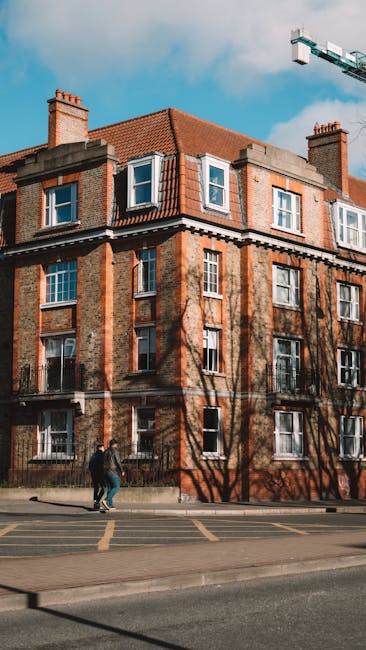
Moving from a flat with no lift is a different job from a standard house move. The building access becomes part of the moving plan, not just a detail. In Bow Road and the surrounding streets, that matters even more because a lot of homes are in converted buildings or compact apartment blocks where stairs are narrow, parking can be awkward, and the route from front door to van is rarely straightforward.
Why does this matter so much? Because the safest, cheapest, least stressful move is the one that avoids surprises. A sofa that looked perfectly manageable in the lounge can become a problem halfway down the stairwell. A fridge that was "fine" in your head becomes a two-person, strap-assisted negotiation. And that is before you get to timing, traffic, or whether the van can stop close enough to the entrance.
To be fair, that is the real challenge with Bow Road flats: access changes everything. If you plan for it, you can protect your furniture, your neighbours, and your back. If you do not, moving day can get messy very quickly. A good local removal approach treats stairs, parking, and building layout as core planning items, not side notes.
Key point: no-lift moves are not inherently difficult, but they do punish poor preparation. The more compact the building, the more valuable good sequencing becomes.
If you are still deciding whether you need professional help, it can be useful to read a bit more about the area and property types themselves. Articles like is Bow a nice place to live and Bow home purchase guide give a helpful sense of the local housing mix, which often shapes the move more than people expect.
How Bow removals guide for Bow Road flats with no lift Works
In practice, moving from a no-lift Bow Road flat usually follows a fairly simple logic: assess access, break down the job, move the biggest items safely, then clear the smaller items efficiently. Sounds obvious, I know. But the difference is in the order and the attention to detail.
First, someone needs to look at the property properly. How many floors are involved? How wide is the staircase? Are there awkward corners, low ceilings, or a landing where you cannot turn a double mattress without a bit of swearing? Is there a secure entrance, resident permit zone, or any loading restriction outside? These little points shape the whole move.
Second, the load itself needs sorting. Items are usually grouped by size, weight, fragility, and how awkward they are to carry. Bulky furniture goes first or last depending on the plan, because you do not want your hallway blocked by a bookcase while smaller boxes are still trapped upstairs. It is all about flow.
Third, the right equipment makes the difference between steady progress and a miserable staircase marathon. That can include trolleys, straps, blankets, gloves, and enough people to handle heavy items without improvising. Sometimes a move from a third-floor flat can be done cleanly with a smaller team and smart routing. Sometimes it cannot. The honest answer is the useful one.
If you are comparing support options, the type of help matters. A local man with van in Bow can suit smaller loads and shorter distances, while more structured removal services in Bow may be better for fuller flats, fragile furniture, or multi-item moves. There is no universal winner. Just the right tool for the job.
Key Benefits and Practical Advantages
When a no-lift move is planned properly, you get more than simple convenience. You reduce risk, save time on the day, and avoid the unpleasant kind of damage that shows up later, usually when you are trying to settle in and your table leg is wobbling.
- Less physical strain: fewer unnecessary lifts, safer handling, and a better chance of keeping everyone upright.
- Lower damage risk: furniture is wrapped and moved in a controlled way rather than squeezed through the stairwell on hope alone.
- Better time management: a clear sequence cuts down on back-and-forth trips.
- Cleaner building etiquette: less hallway congestion and fewer issues with neighbours.
- More predictable costs: a properly scoped move is easier to quote and easier to deliver.
There is also a less obvious benefit: calm. Honestly, calm is underrated in removals. A well-planned no-lift move feels slower at the beginning but smoother overall. You spend less time reacting and more time actually getting on with the job.
For many Bow residents, especially people moving between flats or downsizing, a tailored approach can be more useful than a one-size-fits-all package. If you need a broader picture of how different moving types fit together, the removal companies in Bow page is a sensible place to compare service expectations before you commit.
Who This Is For and When It Makes Sense
This guide is for anyone moving in or out of a Bow Road flat where the lift simply is not there. It is especially useful if your move involves one or more of the following:
- a second, third, or fourth-floor flat
- narrow staircases or awkward turns
- heavy furniture such as wardrobes, sofas, desks, or white goods
- limited parking or a tight loading bay
- shared hallways or neighbours who need access during your move
- a move on a weekday, where traffic and resident parking can complicate things
It also makes sense if you are moving under time pressure. Students, renters with short handover windows, and people moving between leases often do not have the luxury of multiple site visits and endless packing days. In that case, a more efficient service such as student removals in Bow or same day removals in Bow may be worth considering, depending on the size and complexity of the job.
And if your flat contains more than a few bulky items, it may be worth thinking beyond a basic van hire. A practical furniture removals Bow option can make the awkward pieces feel less, well, awkward. That sounds obvious, but people still try to move a wardrobe down stairs as if it were a coat rack. Brave. Not wise.
Step-by-Step Guidance
Here is the part that tends to save the most headaches. If you follow the steps below in order, you will usually avoid the main access problems before they start.
1. Measure the flat and the furniture
Measure large items first: sofa, bed base, mattress, wardrobe, dining table, fridge-freezer, washing machine. Then measure key access points such as door frames, the tightest stair turn, and the hallway width. You do not need to turn into an engineer. Just be honest about whether the item will actually fit through the route.
2. Check parking and loading access
Look at where the van can reasonably stop. A short carry can halve the strain on the day. If the van has to park several doors away, that changes labour time, carrying risk, and possibly the size of the crew needed. In Bow, this one detail can make a surprisingly large difference.
3. Decide what comes apart
Flat-pack furniture, bed frames, shelving, and some tables usually move better when dismantled. Keep the screws and fittings together in labelled bags. Tiny thing, huge payoff. There is nothing glamorous about opening a bag of mystery bolts at 9pm in a new flat.
4. Pack by carrying logic, not by room aesthetics
Boxes that are too heavy will slow the move and increase the risk of injury. Use smaller boxes for books and heavier items. Put lighter household goods in larger boxes. Mark fragile items clearly, but avoid overfilling them. The goal is not to make the labels look neat. The goal is to carry them safely.
5. Protect stairs, doors, and furniture
Use blankets, wraps, and floor protection where appropriate. This is particularly useful in older buildings where stair rails, paintwork, and corners are easy to scuff. A good mover will try to keep the property in the same condition it started in. Sensible, really.
6. Move the hardest items first, if access allows
Some teams prefer to clear the bulkiest pieces while the route is fresh and everyone has energy. Others start with easier pieces to create space. Either way, the sequence should be chosen around the staircase, not habit. A move that works on paper can fail on the landing if the order is wrong.
7. Do a final sweep before leaving
Check cupboards, loft-like storage corners, charging points, and behind doors. It sounds trivial until you forget your kettle or passport folder. Happens all the time, and usually to decent, organised people too.
Expert Tips for Better Results
In our experience, the best Bow no-lift moves share the same habits. They are not flashy. They are just careful.
- Book the move with enough time to plan access. Short notice can work, but only if expectations are realistic.
- Be honest about the stairs. "A bit tight" and "awkward but fine" are not the same thing.
- Use smaller boxes for anything dense. Books, records, kitchenware and tools get heavy quickly.
- Keep a clear walkway on move day. One stray coat stand can slow an entire staircase operation.
- Tell the movers about fragile or valuable items early. Not after they are half-way down the stairs.
- Wrap corners and glass properly. The little chips often happen at turning points, not on the van.
A practical extra: set aside an essentials bag with keys, chargers, medication, water, snacks, and a change of clothes. Nothing dramatic. Just the stuff you will actually want before the boxes are fully unpacked. By late afternoon, when everyone is a bit tired and the light has gone soft, that bag feels like gold.
If your move includes specialist items, it is worth separating them from general household goods. For example, a piano, artwork, or unusually heavy furniture may need extra handling. The local piano removals Bow page is useful if you have one genuinely awkward item that deserves specialist attention rather than improvisation.
Common Mistakes to Avoid
Most moving-day problems are not mysterious. They are usually caused by a handful of avoidable mistakes. Here are the ones that show up most often.
- Underestimating the stairs: the staircase is the job, not the background.
- Packing boxes too heavily: this is the fastest way to create shoulder pain and damaged packaging.
- Leaving dismantling until move day: that is how good intentions become delays.
- Not checking parking in advance: if the van cannot stop near the building, everything takes longer.
- Forgetting building rules or neighbour access: common areas matter, especially in shared properties.
- Trying to move awkward furniture without enough help: one person carrying a sofa alone is not a plan, it is a hazard.
There is also the emotional mistake: assuming you should be able to handle everything alone because it is "only a flat move." Truth be told, flats with no lift can be harder than some house moves. That is not weakness. That is just geography doing its thing.
Tools, Resources and Recommendations
A smooth move does not need a warehouse full of kit. It needs the right basics and a decent plan.
| Tool or resource | Why it helps | Best use |
|---|---|---|
| Strong boxes | Keep weight manageable and reduce collapse risk | Books, kitchen items, household goods |
| Bubble wrap or paper wrap | Protects fragile surfaces and corners | Glass, lamps, mirrors, decor |
| Furniture blankets | Prevents scuffs and edge damage | Sofas, tables, wardrobes, white goods |
| Straps and trolley equipment | Makes lifting and carrying safer | Heavy or bulky items on stairs |
| Label stickers or marker pens | Improves unpacking order and handling | Every box, ideally |
For packing support, a dedicated packing and boxes Bow service can be a real time-saver if you are juggling work, tenancy deadlines, or a move with a lot of breakables. If you need somewhere to store overflow items between dates, storage in Bow may also help keep the move from becoming too crowded.
If you want a broader view of the company's approach to safety and service quality, the pages on insurance and safety and health and safety policy are worth a quick look. They are not glamorous reads, obviously, but they do tell you how carefully a team works.
Law, Compliance, Standards, or Best Practice
For flat removals in the UK, the most relevant point is not a dramatic legal rule hidden in a dusty folder. It is that moving should be carried out safely, with sensible manual handling, consideration for access, and respect for property and shared spaces. In practical terms, that means a mover should avoid unsafe lifting, use appropriate equipment, and plan the work so it does not create preventable risk.
Building managers, landlords, and residents may also have expectations around lift bookings, loading access, noise, or hallway protection. Even when a lift is not involved, the building itself may still have rules about moving times, door propping, or use of communal areas. Check those details early. It saves awkward conversations later, and sometimes those conversations are the real problem.
Good practice also includes clear pricing, transparent scheduling, and careful handling of customer belongings. If you are comparing providers, take a minute to review pricing and quotes so you understand how access, labour, and item type may affect the final job. That is much better than guessing.
It is also sensible to choose a company with policies that reflect real accountability, not just nice wording. Pages such as terms and conditions, privacy policy, and complaints procedure help show how the business handles expectations, data, and issues if something does not go to plan.
Options, Methods, or Comparison Table
For Bow Road flats with no lift, the main decision is usually how much help you want and how hands-on you want to be. Here is a simple comparison.
| Option | Best for | Pros | Trade-offs |
|---|---|---|---|
| DIY van hire | Small moves with light furniture | Lower direct cost, full control | You handle lifting, planning, and risk |
| Man and van | Compact flat moves and partial loads | Flexible, practical, often quicker | May be less suitable for very heavy or complex moves |
| Full removal service | Busy, furnished, or difficult-access flats | More support, better for awkward items | Usually costs more than basic van-only help |
There is no moral victory in choosing the hardest option. If the stairs are tight, the sofa is large, and your move date is immovable, a more structured approach often makes sense. You may even find that a man and a van Bow service offers the right middle ground: more support than DIY, but without paying for extras you do not need.
If you are moving a full flat rather than a few items, it may be useful to compare with house removals Bow or broader removal van Bow options. The best fit depends on volume, access, and how much lifting you want to take on yourself.
Case Study or Real-World Example
Here is a realistic example. A couple moving out of a third-floor Bow Road flat with no lift had a bed frame, mattress, two wardrobes, a sofa, a dining table, and roughly thirty boxes. Nothing outrageous. Just a normal lived-in flat with a bit of accumulated life in it.
The first issue was the staircase. It had a turn halfway down and a narrow landing. The wardrobes would not safely go in one piece, so they were dismantled the day before. The sofa was measured against the hallway route and wrapped carefully at the corners. Parking was checked the evening before, which turned out to be worth its weight in tea because the curb space near the building was limited.
On move day, the bulky items were loaded first while the team was fresh and the route was clear. The smaller boxes followed, grouped by room so unloading was not chaos at the other end. There was no drama, no scratched walls, and no last-minute panic about a missing Allen key. A small miracle, frankly.
The couple later said the key difference was not the number of people involved but the planning. They expected the stairs to be a nuisance and planned around that nuisance from the start. That is really the lesson here.
Practical Checklist
Use this checklist a few days before moving, then again on the morning of the move if you need to.
- Measure all large furniture and key access points
- Confirm floor level and staircase layout
- Check parking or loading arrangements
- Dismantle furniture where sensible
- Label every box clearly
- Pack heavy items into smaller boxes
- Wrap fragile items and furniture edges
- Keep screws, brackets, and fittings in labelled bags
- Prepare an essentials bag for the first 24 hours
- Protect floors, corners, and doors if needed
- Tell movers about fragile, valuable, or awkward items
- Do a final sweep of cupboards, drawers, and storage spaces
If you want help turning that checklist into an actual moving plan, start with a local service page such as removals Bow or ask about the broader removal services Bow available for flats, furniture, and time-sensitive moves. Sometimes the simplest next step is just getting the right conversation started.
Get a free quote today and see how much you can save.
Conclusion
Bow Road flats with no lift can be perfectly manageable to move out of, but only if the access challenge is treated seriously from the outset. Once you plan around the stairs, the carry distance, and the furniture size, the rest becomes a lot more predictable. Not easy exactly. Predictable, though, and that matters.
The best moves are rarely the fastest on paper. They are the ones where the route is clear, the boxes are sensible, the heavier items are handled properly, and nobody is pretending the stairwell is bigger than it really is. That is the quiet difference between a stressful day and a decent one.
If you are ready to sort your move properly, a local team that understands Bow's flat layouts, parking quirks, and no-lift access can take a great deal off your shoulders. And honestly, that is a relief you can feel before the first box even leaves the room.